You Love This Server, But It Doesn't Love You Back: The Volunteer Economy Powering Discord's Digital Feudalism
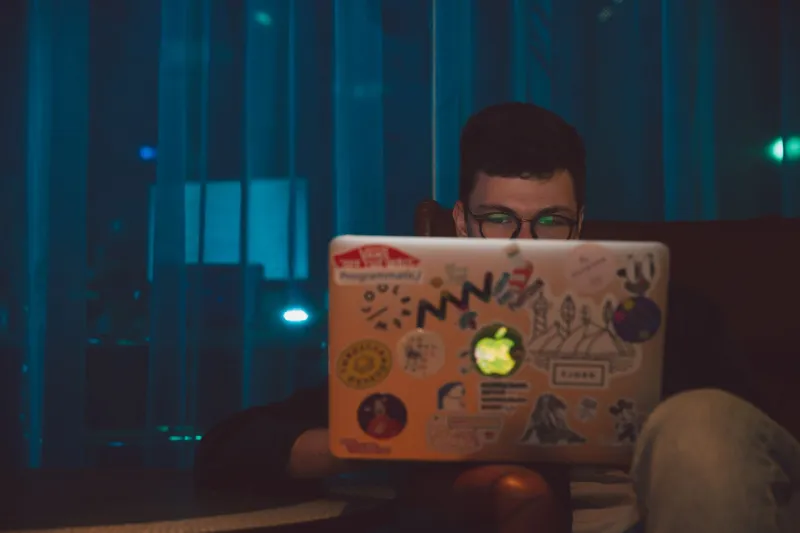
Let's set the scene. It's 11:47 PM on a Friday. While your coworkers are at a bar somewhere debating whether to get a third round, ThunderMod_Kevin is hunched over a keyboard, issuing a seven-day timeout to a user called XxDarkLord99xX for posting an unsolicited image of a foot in the #general-chat of a mid-tier gaming streamer's Discord server. Kevin has been doing this for fourteen months. He has never been paid. He has never met the streamer. He once received a shoutout during a stream that 800 people watched. He still thinks about it.
This is not a cautionary tale, exactly. It's weirder than that.
The Architecture of Digital Unpaid Internships
Discord, for those who somehow missed its cultural takeover, is a messaging platform that started as a place for gamers to coordinate raids and has since evolved into the connective tissue of the entire internet's subculture economy. There are servers for everything — K-pop stans, amateur mycologists, people who are extremely serious about sourdough, fans of a mid-2000s Canadian sitcom that lasted one season. The platform claims over 500 million registered users. That's a lot of people arguing in text boxes.
What makes Discord genuinely strange, economically speaking, is its labor model. Every server of meaningful size runs on the backs of moderators — real human beings who spend real human hours managing communities, resolving conflicts, writing rule documents, onboarding new members, and generally keeping the whole carnival from burning down. And the overwhelming majority of them do it for free.
Not "free" in the startup sense, where equity is promised and dreams are dangled. Actually free. Compensated, in many cases, with a special colored username and the intoxicating sensation of having a little power in a space that otherwise makes everyone feel powerless.
Why Smart People Do Profoundly Uncompensated Things
Here's where it gets psychologically interesting, because the people doing this aren't rubes. Many Discord moderators are articulate, internet-literate adults who understand, on an intellectual level, that they are providing skilled labor to someone else's monetized platform. They know. They just... keep doing it anyway.
The psychology here is less about exploitation and more about belonging — which, it turns out, is something humans will trade an enormous amount for. Being a moderator isn't just a role; it's an identity. You're not a random lurker in a 40,000-person server. You're staff. You have access to channels nobody else sees. The streamer DM'd you once about a ban appeal. You matter, specifically, in a way that modern life has made increasingly difficult to manufacture.
Parasocial relationships — the one-sided emotional bonds people form with creators they consume online — are the engine underneath all of this. Fans don't just watch streamers; they construct elaborate internal narratives about connection and community. Moderating a server feels like participation. It feels like being close to something. The fact that the streamer is, statistically speaking, barely aware of your existence is a detail the brain is remarkably good at filing away somewhere dark and quiet.
The Feudal Lord Has a Streaming Schedule
Call it digital feudalism, because the power structure is genuinely medieval. At the top: the content creator, who owns the server, generates the audience, and captures the revenue through subscriptions, sponsorships, and merch. Below them: a tiered system of moderators, admins, and trusted community members who maintain order in exchange for status. At the bottom: the general population, who generate the engagement that makes the whole thing worth monetizing in the first place.
The creator, in this model, is the lord of the manor. The mods are the unpaid sheriffs. The community is the peasantry, except they're also the product being sold to advertisers and platform algorithms. Everyone is exploiting everyone slightly, and somehow it mostly holds together through shared enthusiasm for whatever niche interest brought them all to the same corner of the internet.
Some creators are genuinely grateful and treat their mod teams well — organizing occasional events, sending care packages, actually listening when mods flag problems. Others treat their volunteer labor force with the casual indifference of someone who has learned that people will do a lot for the feeling of proximity to something they love. Both types end up with managed servers. The difference is mostly how the mods feel about it later.
What Happens When the Kingdom Falls
Here's the part nobody really talks about: Discord servers collapse all the time, and when they do, the wreckage is surprisingly human.
Servers die for all kinds of reasons. The creator burns out. A drama incident fractures the community along ideological lines. The streamer gets cancelled, pivots to a different game, or simply loses interest in maintaining a Discord presence. Sometimes the creator just... stops showing up, and the mods are left tending an increasingly quiet space like groundskeepers at a theme park that stopped getting visitors.
When this happens, the volunteer labor investment becomes visible in the most uncomfortable way. Mods who spent hundreds of hours building systems, writing documentation, resolving disputes, and cultivating culture are left with nothing transferable. No resume line. No severance. No reference letter. Just the memory of having been, briefly, important in a place that no longer exists.
Some of them start over in new servers. The really committed ones build their own. A surprising number of today's server owners are former moderators who got burned once, learned exactly how the machine works, and decided they'd rather be the feudal lord this time around.
The Platform Wins, Always
The entity that benefits most from all of this, with almost elegant consistency, is Discord itself. The platform provides the infrastructure and collects the data while thousands of volunteer moderators do the community management work that would otherwise cost the company an incomprehensible amount of money to replicate at scale. Every thriving server is, in a very real sense, a free customer retention program.
Discord has introduced some monetization features for creators — server subscriptions, premium memberships — but the mod labor that makes those revenue streams possible remains almost entirely uncompensated. The platform has acknowledged this tension without resolving it, which is a very normal thing for tech companies to do.
None of this is unique to Discord, of course. Reddit runs on unpaid moderators. Wikipedia runs on volunteer editors. The entire architecture of the social internet is load-bearing volunteer labor wearing a thin coat of community spirit. Discord just makes the economy unusually visible because the servers are small enough to feel personal and intimate enough to feel meaningful.
ThunderMod_Kevin is still out there, probably. Still timing out bad actors, still refreshing the mod log, still waiting for the next shoutout. The server hums along. The streamer streams. The algorithm is satisfied.
Somewhere in the transaction, Kevin got something he needed badly enough to show up every night. Whether that's a good deal depends entirely on what you think belonging is worth — and what you're willing to trade for the feeling that someone, somewhere, actually needs you to be there.