The 2000s Were Not Good and We Know It and We Don't Care
Let's be honest about something. The early 2000s were, by most measurable standards, a rough time for culture. The internet was new enough to be lawless and not new enough to be interesting. Reality TV had just discovered cruelty as entertainment. Popular music was doing things with Auto-Tune that should have been prosecuted. And buried inside every hit comedy, every beloved teen drama, every chart-topping bop was a layer of casual bigotry so normalized that nobody called it bigotry — they called it humor.
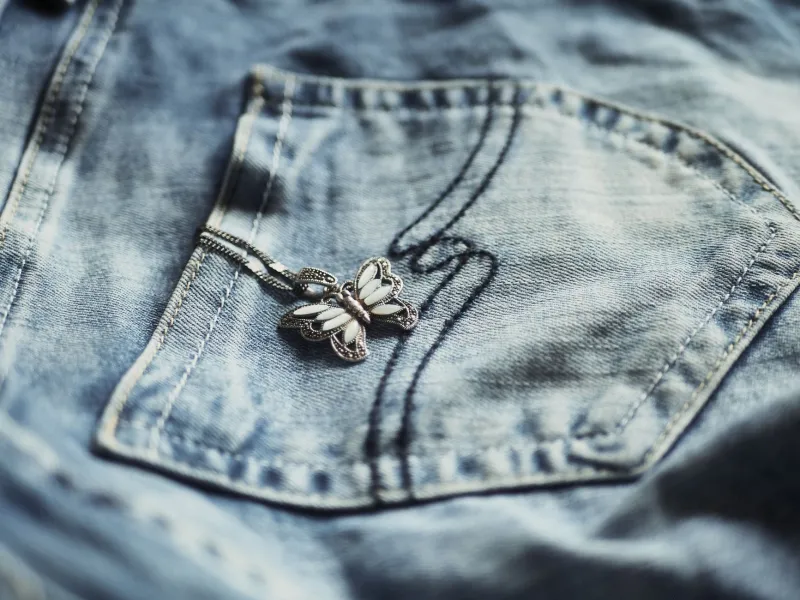
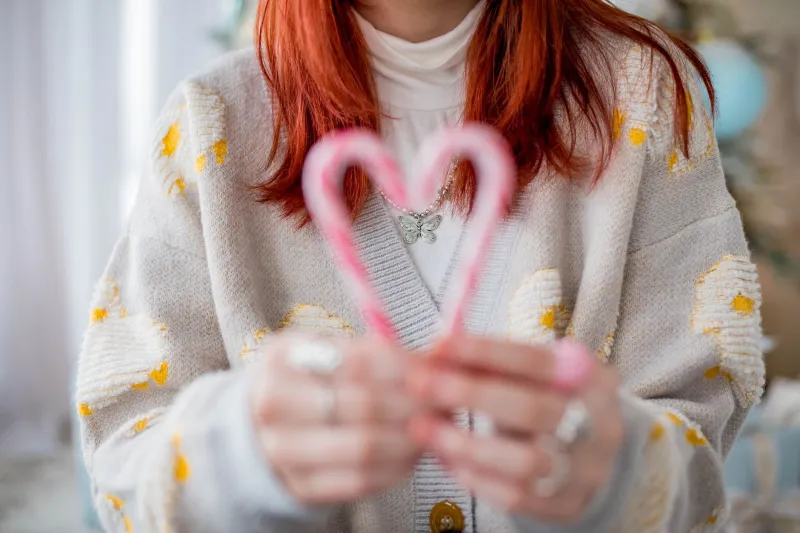
And yet here we are. Butterfly clips in every Target. Low-rise denim on every influencer. The Lizzie McGuire reboot discourse that won't die. The 2000s are back, and the strangest part isn't that we brought them back. It's how carefully we chose what to remember.
The Art of Selective Resurrection
Nostalgia has always been dishonest. This is not a new observation. What's interesting about the current 2000s revival — which is being driven roughly equally by elder millennials in their mid-thirties and Gen Z kids who were literally in diapers during the Bush administration — is the sophistication of its selectivity.
We kept the butterfly clips. We did not keep the fat jokes. We kept the velour tracksuits. We did not keep the homophobia that was treated as punchline infrastructure in every sitcom from 2001 to 2009. We kept Destiny's Child. We are trying very hard not to think too carefully about how the era's biggest pop stars were packaged and sold.
This is what might be called nostalgia laundering: the process by which a cultural era gets rehabilitated by extracting its most aesthetically pleasing elements while quietly leaving its worst impulses in the original packaging. The result is a version of the past that feels like reclamation — we're taking back our childhood — while functioning more like a highlight reel edited by someone with a vested interest in your comfort.
Why Gen Z Is Nostalgic for Something They Didn't Experience
Here's the part that genuinely fascinates me: a significant chunk of the 2000s revival is being driven by people who have no firsthand memory of it. A nineteen-year-old posting Y2K aesthetic content on TikTok was born in 2005. They didn't suffer through the actual 2000s. They're nostalgic for a constructed version of an era they encountered through older siblings, YouTube compilations, and whatever algorithm decided to serve them.
This is nostalgia as mythology. The 2000s being revived by Gen Z aren't the real 2000s — they're a vibe. A color palette. A set of fashion choices stripped of their original context and reloaded with new meaning. Which is, honestly, kind of impressive, and also completely detached from anything resembling historical accountability.
When a twenty-year-old buys a Von Dutch hat, they're not endorsing the mid-2000s celebrity gossip industrial complex that destroyed several young women's lives in real time while the entire country watched and laughed. They're just buying a hat. The hat has been laundered clean of all that. It's just a hat now. A fun, ironic, aesthetically interesting hat.
Rewatching the Problematic Stuff
The more complicated version of this conversation happens when people go back to the actual media — not just the fashion, but the movies and TV shows — and try to figure out what to do with what they find.
This is where nostalgia laundering gets genuinely tricky. Because rewatching Mean Girls or Legally Blonde or early Scrubs or any number of beloved cultural artifacts from that era means sitting with the specific discomfort of loving something that also contained real harm. The fat jokes in Shallow Hal. The gay panic played for laughs in roughly every comedy from 2002 to 2008. The way female celebrities were discussed — in print, on television, in award show monologues — with a cruelty that would be career-ending today.
People deal with this in a few ways. Some go full critical engagement — watching the old stuff with running commentary about what doesn't hold up, treating the problematic elements as historical documents rather than endorsements. Some simply don't engage with the bad parts, watching around them with the practiced ease of someone who's learned to enjoy a meal by not thinking about the kitchen. And some — and this is the group worth paying attention to — genuinely don't notice, because the bigotry was so thoroughly normalized that it registered as background noise even then, and still does.
None of these approaches is clean. None of them fully resolves the tension between I love this thing and this thing caused harm.
The Reclamation Argument and Why It's Complicated
There's a version of the nostalgia revival that frames itself explicitly as reclamation. The idea is that returning to the aesthetics of the 2000s — particularly for women and queer people who were actively harmed by that era's cultural norms — is a way of taking something back. Recontextualizing it. Deciding that low-rise jeans mean something different now because we get to decide what they mean.
This argument is not wrong. Culture does work that way. Symbols get reclaimed. Aesthetics get reloaded. The meaning of an object is never fixed.
But reclamation requires acknowledgment. You can't reclaim something you've pretended wasn't harmful in the first place. And a lot of what's happening in the 2000s revival isn't reclamation — it's just nostalgia wearing reclamation's jacket. It's the comfort of the familiar dressed up as something more intentional.
The butterfly clips are fine. Wear the butterfly clips. But maybe don't pretend the era that produced them was secretly good all along. It wasn't. We were there. Some of us still have the emotional damage to prove it.
The 2000s were a specific kind of bad. The nostalgia for them is a specific kind of convenient. And the gap between those two things is where all the interesting questions live — if we're willing to actually go looking.