We Buried the Cringe. Now We're Digging It Up and Charging Admission.
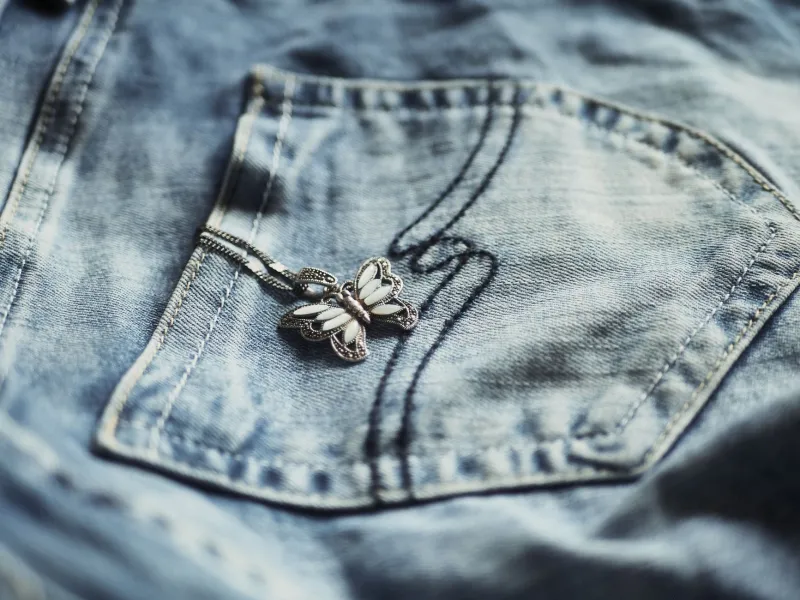
There is a pair of ultra-low-rise jeans currently selling at Urban Outfitters for $89. They are, by any objective measure, a garment that should not exist. They existed once before, briefly, in the early 2000s, during a cultural moment so aggressively ill-advised that the entire decade spent the next fifteen years pretending it hadn't happened. And yet here they are. Back. Unapologetic. Apparently quite popular with people who were in elementary school the first time around and people who absolutely should know better.
Welcome to the emotional economy of nostalgia, where the most embarrassing artifacts of your youth are being systematically excavated, pressure-washed, rebranded as iconic, and sold back to you at a significant markup.
The Archaeology of Embarrassment
Every generation has its cringe artifacts — the cultural flotsam that felt urgently important at the time and mortifying in retrospect. For millennials, the inventory is particularly rich: frosted tips, Von Dutch trucker hats, butterfly clips, the entire Hot Topic aesthetic circa 2003, an inexplicable affection for Limp Bizkit, and approximately ten thousand Facebook photos that were supposed to have disappeared into the digital ether.
They did not disappear. Nothing disappears anymore. This is the foundational trauma of the internet age, and it turns out it's also an extraordinary business opportunity.
The mechanics are straightforward. Cultural nostalgia runs on roughly a twenty-year cycle — long enough for the original embarrassment to fade into something softer, short enough that the people who lived through it still have disposable income and a vague emotional vulnerability to exploitation. Gen X got their '80s revival. Millennials are now watching the early 2000s get the full archaeological treatment, complete with museum-quality documentation and premium pricing.
What's different this time is the speed and the scale of the excavation. Social media platforms have dramatically compressed the nostalgia cycle and made the archival record both comprehensive and inescapable. You can't nostalgize selectively when TikTok serves you a video of your 2007 scene phase with forensic precision.
Corporate America Learned to Love Your Shame
The fashion industry has always recycled trends. That's not news. What's news is how efficiently the entertainment and retail complex has learned to weaponize specifically the embarrassing stuff — the things we were supposed to outgrow.
Emo music is the clearest example. My Chemical Romance, Fall Out Boy, Paramore — these were bands that spent most of the 2010s being treated as cultural punchlines, the soundtrack to an adolescent emotional intensity that adult life was supposed to cure you of. Then something interesting happened. The same millennials who'd spent years performing ironic distance from their teenage selves started showing up to reunion tours in actual tears.
The industry noticed. Suddenly emo wasn't a phase you grew out of; it was a formative cultural identity worth celebrating. Spotify built playlists around it. Hot Topic, which had spent years pivoting toward whatever was less embarrassing, quietly pivoted back. The bands themselves, who had been playing mid-sized venues to aging diehards, found themselves headlining festivals again.
None of this happened organically. It happened because marketing departments realized that nostalgia for specifically embarrassing things generates a more intense emotional response than nostalgia for things that were universally cool. Shame, it turns out, is extremely sticky. You don't just remember the thing — you remember how it felt to love it, how it felt to be mocked for loving it, and how it now feels to reclaim it. That's three emotional transactions per product, which is excellent ROI.
Gen Z's Role in the Excavation
Here is where it gets genuinely weird: a significant portion of the early-2000s revival is being driven by people who weren't there.
Gen Z's adoption of Y2K aesthetics — the Von Dutch hats, the velour tracksuits, the butterfly clips — is not nostalgia in the traditional sense. They have no memory to be nostalgic for. What they have, instead, is an aesthetic archive of documented cringe that they can engage with without the accompanying shame. For them, the low-rise jean is not an artifact of personal embarrassment. It's a costume from a decade that looks, through the lens of TikTok aesthetics, kind of fascinatingly unhinged.
This creates a strange dynamic: millennials watching Gen Z enthusiastically embrace the things they spent years trying to forget, simultaneously feeling vindicated and vaguely robbed of their suffering. You can't have a redemption arc if the next generation skips straight to the redemption.
The Regret That's Coming
Here's the thing about burying cringe and digging it back up: the regret doesn't go away. It transforms.
The original cringe was about embarrassment — you made choices that reflected poorly on your judgment, your taste, your emotional regulation as a fourteen-year-old. The new regret is subtler and arguably worse. It's the regret of having let corporations commodify your most genuine emotional experiences. Of having paid $89 for a garment that represents, at some level, a surrender to the nostalgia-industrial complex.
And then there's the meta-regret, which is probably the most millennial thing imaginable: the creeping awareness that in twenty years, the current nostalgia revival will itself become cringe, and someone will be selling that back to us too.
The cycle is infinite. The shame is renewable. The low-rise jeans are eternal.
Somewhere, a brand strategist is already building the pitch deck.