Sincerity Is the New Weird: How Genuine Oddness Became the Last Honest Act on the Internet
Somewhere around 2019, the internet ran out of layers. We'd burned through irony, then meta-irony, then post-irony, then whatever you call the thing where you sincerely enjoy something but perform enjoying it ironically so no one can tell — and then that got co-opted too. The whole stack collapsed under its own cleverness, and what crawled out from the rubble was something nobody expected: people who just... meant it.
Not in a cringe way. Not in a "brands being relatable" way. In the way your weird uncle means it when he tells you, dead-eyed and earnest, that Crystal Pepsi was genuinely ahead of its time and the world wasn't ready. He's not doing a bit. He has a spreadsheet.
Welcome to the era of sincere weirdness, where the most subversive thing you can do is care deeply about something no algorithm predicted you would.
Irony's Long, Exhausting Reign
To understand why sincerity feels radical now, you have to appreciate how thoroughly irony colonized American internet culture. In the early 2010s, ironic detachment was a survival mechanism — a way to engage with pop culture without being embarrassed by it. You didn't like something; you liked liking it. You watched Jersey Shore with raised eyebrows. You quoted Shrek with plausible deniability.
Then the marketers arrived, as they always do, carrying their brand voice guides and their "dank meme" PowerPoints. Irony became a product. Wendy's started beefing with people on Twitter. Brands discovered that self-awareness was a costume they could wear, and suddenly the defensive layer that regular people had built around their genuine feelings was being worn by a corporation selling chicken sandwiches.
At that point, irony stopped protecting anything. It was just another aesthetic — one that happened to be extremely easy for a social media manager with a marketing degree to replicate.
The Taxidermy Collector and the Discontinued Soda Devotee
So what do you do when your armor becomes a product? You drop it entirely.
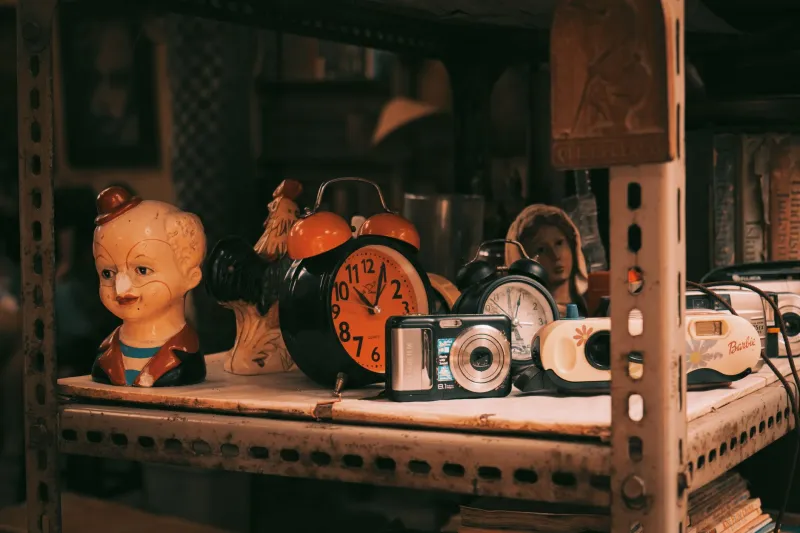
This is the quiet logic behind some of the internet's most compelling niche communities right now. The people who collect Victorian mourning hair art and post about it with zero defensive framing. The Discord servers devoted to Orbitz, the discontinued beverage from the '90s that had edible floating balls in it — a drink so ahead of its time it was actually just confusing — where members trade bottles and argue about flavor rankings with the intensity of wine sommeliers.
These aren't people doing a bit. The bit died. These are people who looked at the algorithm's best guess at who they should be and chose something weirder and more specific instead.
There's a woman in Ohio who has amassed what she describes as "the most complete archive of Clearly Canadian flavor variations" in existence. She doesn't frame it ironically. She doesn't need to. The collection is its own statement — a middle finger made entirely of discontinued sparkling water.
Why the Algorithm Hates Genuine Weirdness (At First)
Here's the thing about sincere oddness that makes it genuinely rebellious rather than just eccentric: it's terrible for engagement metrics, at least initially.
Algorithmic content platforms — Instagram, TikTok, YouTube — are optimized for legibility. Content needs to fit a recognizable shape: a trend, a format, a recognizable emotional beat. The algorithm is, at its core, a pattern-matching machine, and genuine weirdness doesn't pattern-match cleanly.
A video of someone earnestly explaining why they've been collecting antique dental molds for seven years doesn't fit the "oddly satisfying" bucket or the "quirky hobby" template. It's too specific. It resists the thumbnail. It refuses to be the thing you were already looking for.
And yet — and this is the part that should concern every product manager at every major platform — it finds its audience anyway. Because the people who are genuinely into antique dental molds are really into antique dental molds, and they will watch a 45-minute video about it and leave detailed comments and come back next week. That kind of depth doesn't scale, which is precisely why corporate content machines can't fake it convincingly.
Authenticity, it turns out, is extremely hard to manufacture at volume.
Gen Z Didn't Invent This, But They're Making It Stick
Millennials built the irony bunker. Gen Z inherited it, found it structurally unsound, and started knocking out walls.
What's interesting about the younger end of the internet-native generation is how comfortable they are with the appearance of earnestness — even when it looks, to older eyes, indistinguishable from sincerity. The "unhinged" aesthetic that's dominated Gen Z content for the past few years isn't ironic detachment; it's a different kind of armor, one built from absurdism rather than cool. But underneath a lot of it, there's actual feeling.
The person who made a 20-minute video essay about the cultural legacy of the Cheesecake Factory menu probably started from a place of genuine affection. The joke is real AND the love is real, and they don't feel the need to choose.
This is the synthesis that irony always promised but never delivered: the ability to hold something lightly and care about it deeply at the same time.
Weird as Resistance
There's a political dimension here worth naming plainly. In an information environment where every preference is data, every interest is a targeting category, and every niche is a market segment waiting to be unlocked, having a genuinely weird inner life is a small act of resistance.
When you sincerely love something obscure and specific — not because it's been recommended to you, not because it's trending, not because an influencer told you it was cool — you're operating outside the feedback loop that most of our online lives run on. You're not consuming; you're just being into something, which is an older and stranger and more human activity.
The collectors, the archivists, the people with strong opinions about which era of Snapple bottles was best — they're not performing weirdness. They're just refusing to perform normalcy. In 2025, that's basically the same thing.
The Part Where This Gets Co-Opted (It Always Does)
Let's be honest: sincere weirdness is already being packaged. "Weird girl aesthetic" became a TikTok category approximately fifteen minutes after it became a real thing. Brands are already trying to figure out how to seem genuinely eccentric, which is like trying to seem genuinely surprised at your own surprise party.
The difference — and this is the thin, stubborn line that matters — is that manufactured weirdness is always legible as a type. Real weirdness is specific in ways that resist categorization. The genuine taxidermy collector has opinions about specific taxidermists. The real Crystal Pepsi devotee can explain the chemistry of why the formula differed from regular Pepsi in ways that affected the mouthfeel.
That specificity is where authenticity lives, and it's extremely difficult to fake at scale, which means it'll probably survive the next wave of co-option — at least partially, at least for a while.
Just Mean It Already
The collapse of irony isn't a tragedy. It's more like the moment a long, exhausting performance finally ends and everyone can just sit down.
The weirdest, most honest thing you can do online right now is care about something real, say so without a disclaimer, and let the algorithm figure out what to do with you. It probably won't know. That's kind of the point.
Meaning it — genuinely, specifically, without the safety net of detachment — is the one move that's still hard to monetize. Do with that what you will.